


 ----||----
 >>>
>>> The Future of Space crafts: Electromagnetic Thrusters
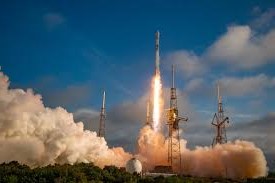 This
propelentless propulsion system set to revolutionize spacecraft propulsion
by minimizing or eliminating the need for large quantities of fuel
for power generation and thrust.
This
propelentless propulsion system set to revolutionize spacecraft propulsion
by minimizing or eliminating the need for large quantities of fuel
for power generation and thrust.
Until now, rocket propulsion has followed this principle: burn fuel, expel it backward, and push the vehicle forward. Now we have changed this concept to push several electromagnetic rods backward to move the spacecraft forward. At the end of the rods' stroke, turn them 180 degrees and repeat the process to drive the spacecraft forward another leap, continuing the process. This is a comprehensive propellant-less propulsion method for space exploration.
Traditional space travel requires carrying heavy fuel loads, which
not only increases the spacecraft's weight but also limits its efficiency.
Fortunately, recent advancements in electromagnetic thruster technology
present an exciting alternative.
The weight of a spacecraft depending on its type and mission; if we
consider it is about 450,000 kg for the International Space Station.
1 Newton is equivalent to the force exerted by a mass of roughly 0.102
kg. A typical electromagnetic thruster module is capable of generating
14,000 Newton. It accomadate a cylindrical space 1.4 long, with 1.4
Meter diamater.
To address the challenge of generating thrust, these launch vehicles
utilize electromagnetic thrusters powered by electricity from various
sources, including storage cells, solar panels, and electric generators
linked to internal combustion engines. If the spacecraft can travel
with a slow energy release, solar panels can serve as power generators
for space travel. None of this power-generating equipment will dispose
to space, and they will be a part of returning spacecraft.
By maximizing the use of solar power, reliance on chemical fuels can
be significantly reduced. This technology can utilize the electrical
power generated through a unique internal combustion process. Thus,
the introduction of electromagnetic thrusters opens a new path for
space travel.
In traditional propulsion systems, fuel generates thrust by burning
and ejecting as exhaust against the direction of travel. In contrast,
electromagnetic thrusters do not require mass ejection; instead, they
leverage the interplay of electromagnetic components to produce the
necessary thrust. Remarkably, this technology achieves propulsion
"without a resting background help," meaning it does not
expel mass like traditional engines and does not rely on fluid dynamics
for traction. Rather, it generates thrust through a dynamic interaction
of electromagnetic components, pioneering a new inertial drive system
and paving the way for cleaner, more efficient space travel.
As a result, electromagnetic thrusters are poised to revolutionize
spacecraft propulsion in outer space by eliminating the need for large
quantities of fuel for power generation and thrust. Electromagnetic
propulsion systems have been designed to overcome the limitations
of conventional chemical propulsion. Unlike traditional fuel-based
engines, electromagnetic thrusters do not depend on extensive fuel
reserves, offering a more efficient and sustainable alternative to
traditional engines that require significant amounts of fuel.
By maximizing the use of solar power, reliance on chemical fuels can be significantly reduced. This technology can utilize the electrical power generated through a unique internal combustion process. Thus the introduction of electromagnetic thrusters opens a new path for space travel.
.
To ensure mission success, advanced propulsion systems are non-negotiable.
Importantly, a spacecraft can ascend into space without needing to reach escape velocity. This means it can progress without achieving high speeds, as long as there is continued thrust.

Recent advancements in electromagnetic thruster technology provide a powerful alternative. These systems generate electricity through a unique internal process that ignites fuel using onboard oxygen. Moreover, ample solar power is available above the clouds. By effectively deploying solar panels across a wide surface area, a spacecraft can harness sufficient energy to navigate in the airless expanse of space using solar power. This is the future of space travel, and it is within our reach. "UFOs might not come from distant worlds, but from our own future."
By embracing this technology, we can usher in a new era of efficient and sustainable space travel, that promises to redefine our exploration of the universe. Here, we present a groundbreaking design for an internal combustion engine that could transform how we engage with space.
Electromagnetic propulsion systems have been created for space travel to address the limitations of conventional chemical propulsion. Unlike traditional fuel-based engines, electromagnetic thrusters do not depend on large fuel reserves for propulsion. This technology offers a more efficient and sustainable alternative to traditional engines, which require significant amounts of fuel.
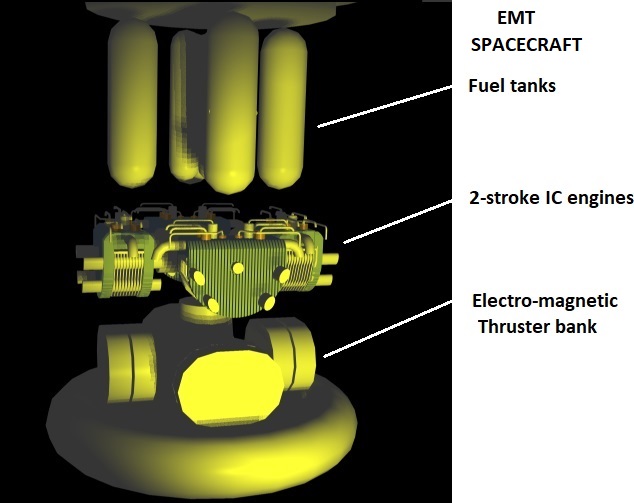
Patent App :LK/P/1/22948- Sri lanka
Electro-magnetic thruster in the application of outer space navigation
Due to the significant amount of energy
required to escape Earth's gravitational pull, a large quantity of
fuel must be carried along with the spacecraft. To tackle the challenge
of generating thrust, the new propulsion technique is used in these
launch vehicle using electromagnetic thrusters powered by internal
combustion engines. These thrusters draw electricity from various
sources, including storage cells and solar panels, from electricity
generators coupled to internal combustion engines.
To provide the necessary combustible mixture for internal combustion
engines, we suggest an oxidizer, which can be in the form of compressed
gas oxygen alongside fuels such as gasoline, Liquefied petroleum gas,or
acetyleen.
2-stroke Internal Combustion Engine with Oscillating Flaps.
These engines are lightweight and generate high power by utilizing oscillating shafts. Instead of delivering output in rotations, oscillator engines produce oscillations that are then converted into electricity. They operate in pairs as an alternative method to prevent excessive heat buildup during navigation in outer space, where cooling through circulation is not feasible. This design approach will help reduce the weight and size of the spacecraft, ultimately lowering costs. Additionally, the components will not be discarded into space or the atmosphere; rather, they will be reusable for future missions.
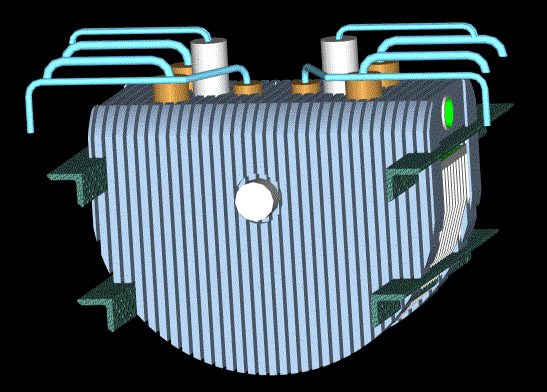

Our new design replaces mechnically operated valves in to electricaly operated valves, thereby reducing the weight and increasing the efficiency of engine by minimazing mechanical parts.
For spacecraft operation our choice is two stroke engines, with liquid
or compressed oxygen injected into the combustion chamber.
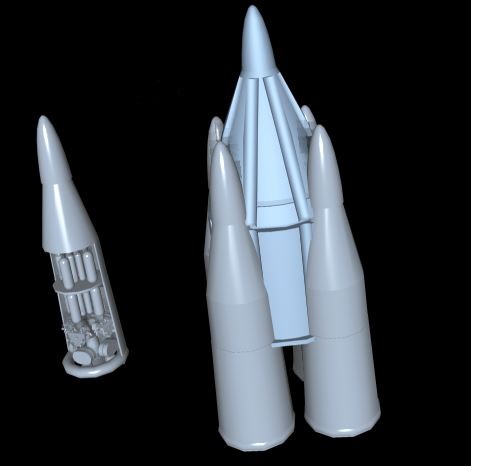
Spacecraft dissipate heat primarily via thermal radiation to maintain safe operating temperatures in the vacuum of space. The new spacecraft will feature four propulsion modules arranged around the rear of the capsule. The design allows for two engine modules to operate simultaneously while the other two remain inactive. This setup helps prevent engine overheating during extended use. When one set of engines is in operation, the inactive set has adequate time to cool down. This alternating operation during space cruises not only enhances efficiency but also provides ample space for the capsule and its equipment.
Style Social Media Buttons
For more details Contact : Leelananda Jayasuriya
E-mail : leel6391@yahool.com